

Sustainability in the plastic sector is more critical than ever. As concerns about environmental pollution rise, so does the need for safe and transparent processes in the circular economy. In this context, recycled plastic certification under the UNE-EN 15343 standard has become an essential tool for companies committed to environmental responsibility and sustainable innovation.
The Current Landscape of Recycled Plastics in Spain
The recycled plastic market in Spain faces significant challenges driven by economic and regulatory factors. Understanding these obstacles is crucial to appreciating the importance of certification in the recycling value chain:
1. Impact of the Reduction in Subsidies and Support
In 2022, the recycling sector experienced a cut in subsidies, such as those provided under Royal Decree 1106/2020, which benefited energy-intensive companies. This change contrasts with the fiscal advantages still enjoyed by virgin plastic producers, particularly in markets like the United States, where low-cost energy supports large-scale production.
2. Decline in Virgin Plastic Prices
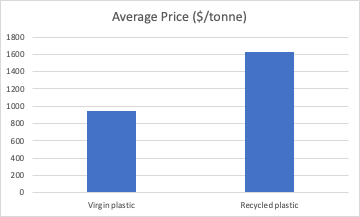
Virgin plastic prices have dropped dramatically in recent years. According to S&P Global Commodity Insights, costs fell from $1,674/ton in 2021 to $943/ton in 2023. Meanwhile, recycled plastic averaged $1,631/ton, making it less competitive.
 3. Restrictions in Key Sectors like Food
European regulations, including those from the European Food Safety Authority (EFSA), impose strict safety and quality requirements for recycled plastics in food-contact applications. These limitations reduce market opportunities for recycled materials and increase dependence on virgin plastics in certain industries.
Why is UNE-EN 15343 Certification Crucial?
The UNE-EN 15343:2008 standard governs the traceability and recyclability of plastics, ensuring:
- Complete traceability of recycled material, from raw input to the final product.
- Quality control at every stage of the process.
- Legal and regulatory compliance that enhances market trust.
This certification not only improves transparency but also adds competitive value to companies.
Solutions to Recycled Plastic Challenges
1. Taxes and Regulations to Balance Prices
Measures like taxes on non-recycled plastics and mandatory minimum percentages of recycled plastic are transforming the market. These initiatives promote the shift toward a circular economy.
2. Certification as a Competitive Advantage
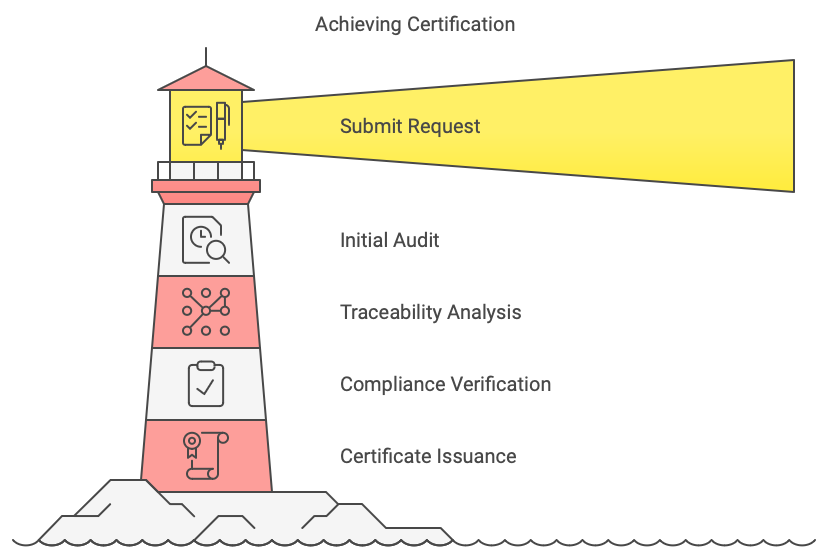
Obtaining UNE-EN 15343 certification ensures that your processes and products meet the highest standards, setting you apart from the competition.
Conclusion: Commit to Recycled Plastic Certification
In an environment where sustainability and competitiveness go hand in hand, UNE-EN 15343 certification is a must for standing out in the market. If your company seeks to differentiate itself and lead the shift toward a circular economy, now is the time to act!
Need Help with Certification?
At our certification body, we provide the support you need to comply with the UNE-EN 15343 standard and position your company as a sustainability leader. Contact us today and learn how we can help you.